
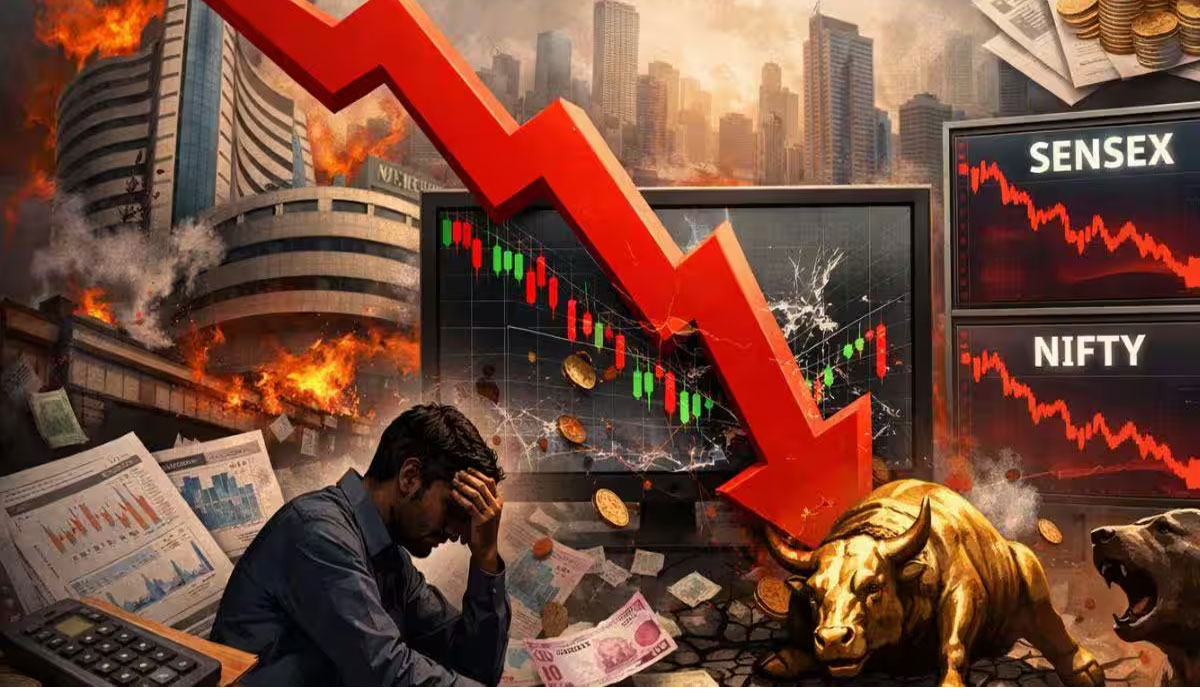
Financial markets around the world are entering a period of heightened uncertainty as investors react to shifting economic signals.
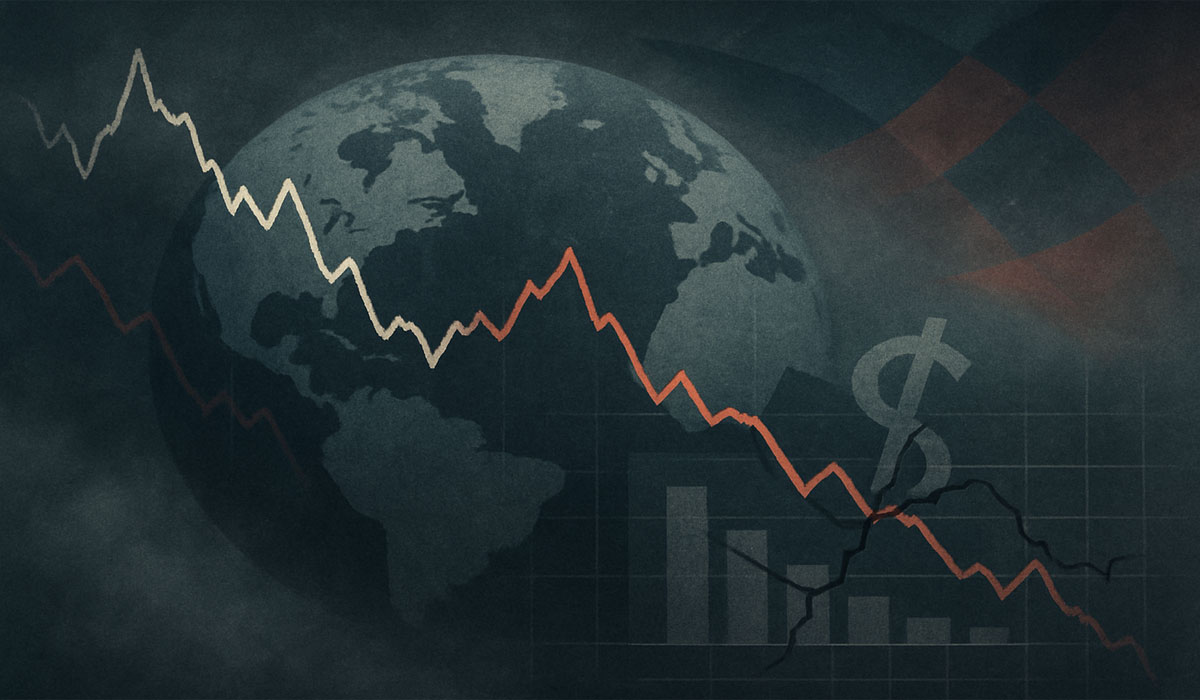
Policy expectations, and global geopolitical tensions. The mood across trading floors has turned cautious, with analysts closely watching every development that could influence growth, inflation, and interest rates. This fragile environment has placed global markets in a sensitive position, where even small changes can trigger significant movements. Across major economies, investors are reassessing their strategies as volatility increases.
Concerns about inflation persistence, central bank decisions, and slowing economic momentum have contributed to a more defensive approach in portfolio management. Market participants are now prioritizing stability over aggressive growth positions.At the same time, global interconnectedness means that shocks in one region can quickly spread to others. This has amplified the sense of caution, as investors prepare for potential ripple effects across equities, bonds, and commodities. See the full details only at More Daily Financial News.
Rising Uncertainty Across Major Economies
Economic uncertainty has become a defining feature in recent global market behavior. In the United States, Europe, and parts of Asia, policymakers are facing the challenge of balancing inflation control with economic growth. This balancing act has created mixed signals for investors trying to predict market direction.
Central banks continue to play a crucial role in shaping expectations. Interest rate policies remain a key focus, as even minor adjustments can significantly impact borrowing costs and investment flows. Investors are closely monitoring speeches and policy announcements for clues about future direction.
Meanwhile, economic indicators such as employment data, manufacturing output, and consumer spending are being analyzed more intensely than ever. Each report has the potential to shift sentiment and influence short-term market movements.
Investor Behavior Turns More Defensive
As uncertainty grows, investors are increasingly adopting defensive strategies. Many are shifting funds away from high-risk assets and toward safer investments such as government bonds and defensive stocks. This reflects a broader desire to protect capital during turbulent times.
Hedging strategies have also become more common, particularly among institutional investors. Options, futures, and diversified portfolios are being used to reduce exposure to sudden market swings. This cautious approach highlights the growing concern over potential downside risks.
Retail investors are also showing signs of caution. Social media discussions and trading platforms reflect increased interest in safer, long-term investments rather than speculative trading, indicating a shift in overall market sentiment.
Also Read: Money Alert! Finance Secrets That Can Change Your Life in 2026!
Global Factors Driving Market Volatility
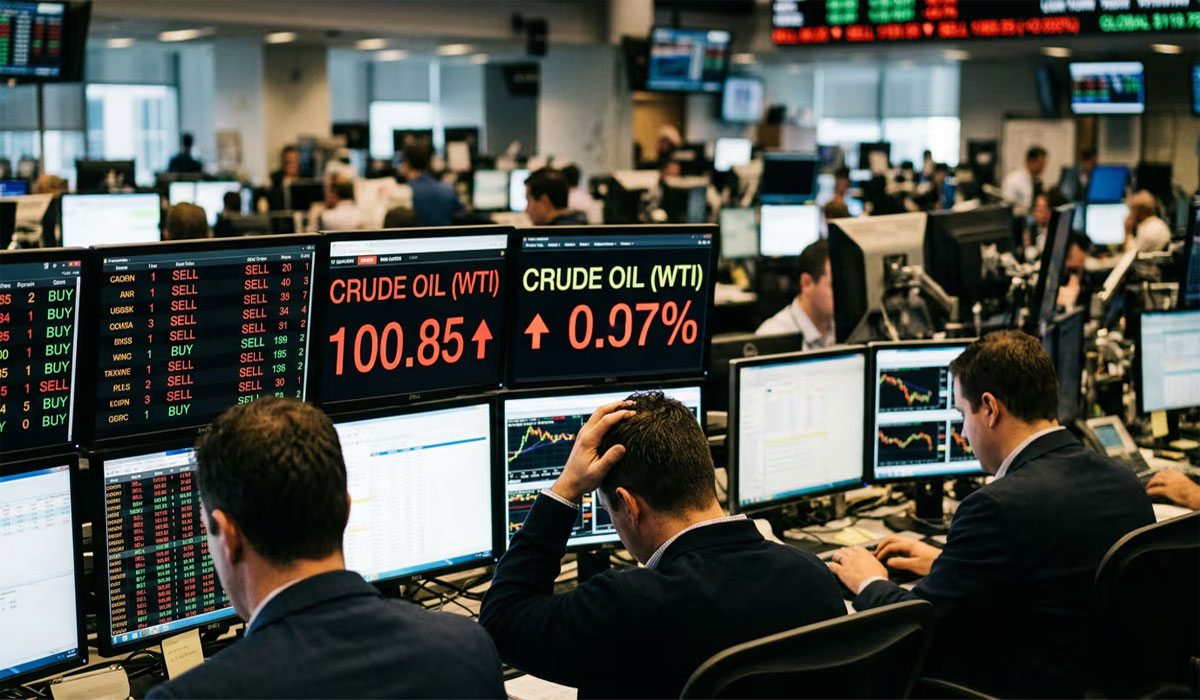
Several global factors are contributing to current market volatility. Geopolitical tensions in different regions have added uncertainty to energy markets, supply chains, and international trade flows. These disruptions often translate into rapid price fluctuations across multiple asset classes.
Commodity markets, particularly oil and gas, have experienced sharp movements due to supply concerns and changing demand expectations. These fluctuations directly affect inflation forecasts and corporate earnings, further influencing investor sentiment.
In addition, currency markets are reacting to differences in monetary policy between major economies. Strengthening or weakening currencies can significantly impact trade balances and corporate profitability, adding another layer of complexity to global market dynamics.
Outlook for the Coming Months
Looking ahead, analysts expect continued volatility as markets adjust to evolving economic conditions. While some stability may return if inflation shows consistent signs of easing, uncertainty is likely to remain a dominant theme in the short term.
Investors will continue to focus on central bank actions, economic data releases, and geopolitical developments. These factors will play a key role in shaping market direction and determining risk appetite.
Despite the challenges, some experts believe that volatility also creates opportunities. For long-term investors, periods of uncertainty can present attractive entry points in fundamentally strong assets.
Conclusion
Global financial markets are currently navigating a complex and uncertain environment driven by economic, political, and financial factors. The combination of rising uncertainty, defensive investor behavior, and global volatility has created a cautious market atmosphere.
While short-term risks remain high, the long-term outlook will depend on how effectively economies manage inflation, growth, and stability. Investors who remain informed and adaptable may be better positioned to navigate the challenges ahead and identify potential opportunities within the turbulence.
Image Source:
- First Image from fenixgolf.co.uk
- Second Image from topgolf.co.id


Leave a Reply