
Coal prices have dropped sharply by 4.6%, sparking market uncertainty and forcing energy investors to rethink strategies.
The coal market has been one of the most watched commodities over the past decade, serving as a cornerstone for global energy supply. However, recent developments have shaken investor confidence. Coal prices have plummeted by 4.6%, marking one of the steepest declines in recent months.
The following More Daily Financial News will discuss about Coal prices have dropped sharply by 4.6%.
Reasons Behind the Coal Price Drop
Coal prices don’t fall overnight without cause. A mix of supply and demand factors has contributed to the 4.6% decline. Firstly, increased coal production in key exporting countries has created an oversupply, putting downward pressure on prices.
Secondly, global energy consumption patterns are shifting. With more countries investing in renewable energy and natural gas becoming a preferred alternative for power generation, demand for coal is gradually weakening.
Lastly, geopolitical tensions and trade restrictions have disrupted traditional coal markets. Export tariffs, shipping delays, and environmental regulations have combined to create uncertainty, discouraging buyers and contributing to falling prices.
Impact on Energy Companies
The immediate effect of the coal price plunge is felt most acutely by energy companies. Producers see their profit margins shrink as they sell coal at lower prices while facing high production cost
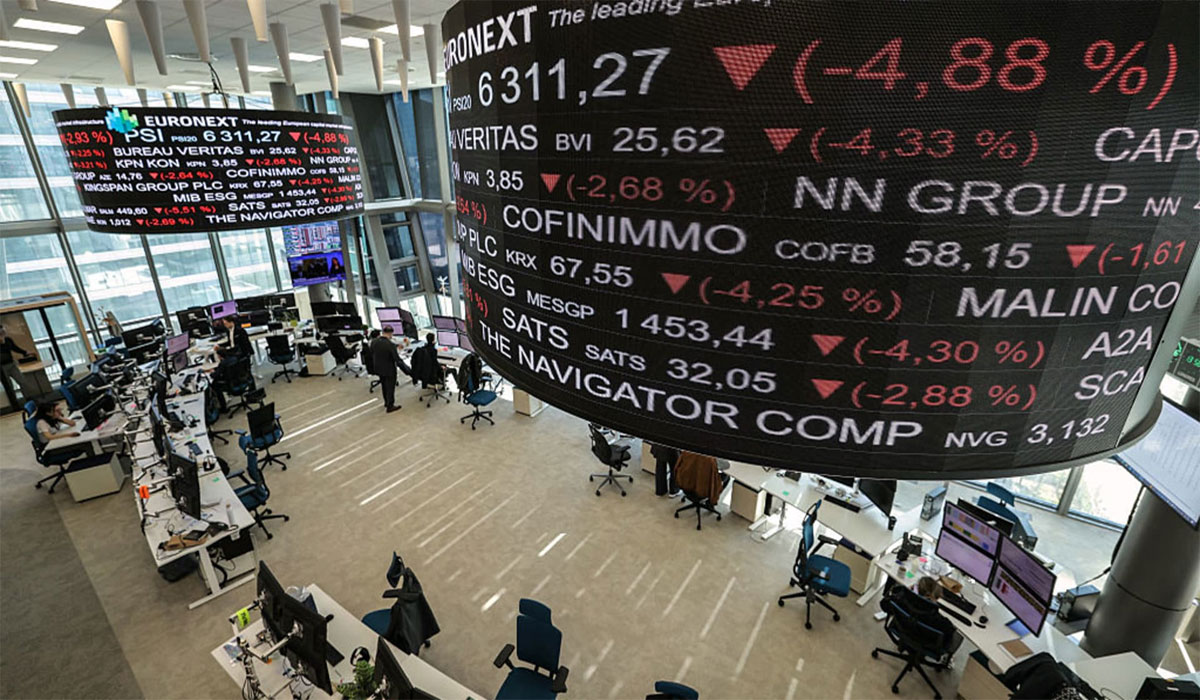
Investors are also reacting swiftly. Stock prices of publicly traded coal companies have fallen in line with commodity prices, erasing months of gains.
Furthermore, companies with heavy debt exposure may struggle to maintain financial stability. Lower revenue streams reduce cash flow, making it challenging to meet obligations.
Also Read: Ripto Changes the World: Secrets of How It Works, Benefits Strategies
Effects on Global Trade
Coal is not just a local commodity; it is integral to global trade. Countries that rely on coal exports for foreign exchange earnings are seeing immediate consequences.
Importing countries also feel the effects. Nations that rely on coal for electricity generation could benefit from temporarily lower prices. However, the unpredictability of supply due to market volatility creates challenges for energy planning and budgeting.
The overall disruption may push governments to reassess energy policies, diversify supply chains, or accelerate transitions to cleaner energy. In the long term, this could permanently reduce coal’s role in global energy markets.
Investor Reactions and Market Sentiment
The sudden coal price drop has rattled investor confidence. Many hedge funds and institutional investors have begun adjusting their portfolios, reducing exposure to coal assets.
Analysts recommend caution. While the short-term price decline may attract opportunistic buyers, the risk remains high. Volatility is likely to persist until market demand stabilizes or until alternative energy adoption levels off.
Moreover, the psychological impact of a rapid 4.6% drop cannot be understated. Market participants are wary of further declines, leading to reduced trading volumes and heightened caution in negotiations.
What’s Next for the Coal Market?
Looking forward, the coal market faces uncertainty. Analysts predict continued volatility as global energy dynamics evolve. If renewable energy adoption accelerates faster than anticipated, coal prices could remain suppressed for an extended period.
Companies and governments will need to adapt. Diversification into alternative energy sources, efficiency improvements, and strategic stockpiling may become necessary strategies.
Ultimately, the 4.6% price drop may signal more than a temporary market blip it could mark the beginning of a structural change in the energy sector. Stakeholders must act decisively to navigate this shifting landscape.
Image Information Source:
- Main Image from thecoalhub.com
- Second Image from montelnews.com







Leave a Reply