
Global financial markets are entering a tense and volatile phase as rising geopolitical uncertainty tied to the Iran conflict rattles investor confidence across.
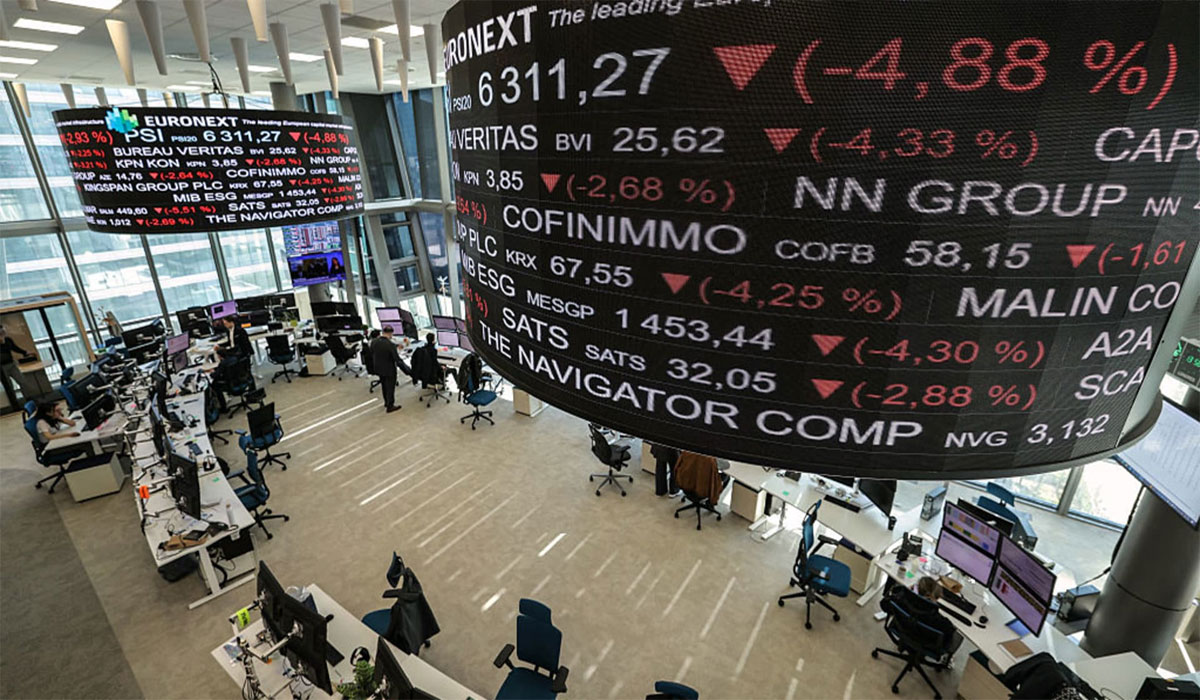
The sharp sell-off in equities, growing risk aversion, and fears of prolonged instability have combined to create what analysts are calling a “financial panic” moment for European stocks, pushing major indices toward their worst monthly performance in years.
Below More Daily Financial News is a detailed analysis of how the conflict is influencing European equities, investor behavior, and the broader economic outlook.
European Markets Under Heavy Pressure
European stock markets have come under significant selling pressure as fears surrounding the Iran conflict intensify. Major indices across the region have struggled to maintain stability, with investors rapidly shifting toward safer assets such as bonds and gold.
The sustained uncertainty has led to increased volatility, with intraday swings becoming more pronounced than usual. Traders are reacting quickly to geopolitical headlines, which are driving short-term sentiment more than fundamental data.
As a result, many European equities are now heading toward their weakest monthly performance since 2022, reflecting deep concern about the potential economic fallout of prolonged geopolitical instability.
Geopolitical Tensions Driving Investor Fear
The ongoing Iran-related conflict has become a key source of anxiety for global financial markets. Any escalation or diplomatic breakdown tends to trigger immediate reactions across equities, commodities, and currency markets.
Investors are particularly worried about potential disruptions to global oil supply routes, which could lead to higher energy prices and increased inflationary pressure across Europe. This concern has added another layer of stress to already fragile market conditions.
In addition, uncertainty surrounding international policy responses has made it difficult for investors to price risk accurately, further amplifying market instability and encouraging defensive positioning.
Sector-Wise Impact Across Europe
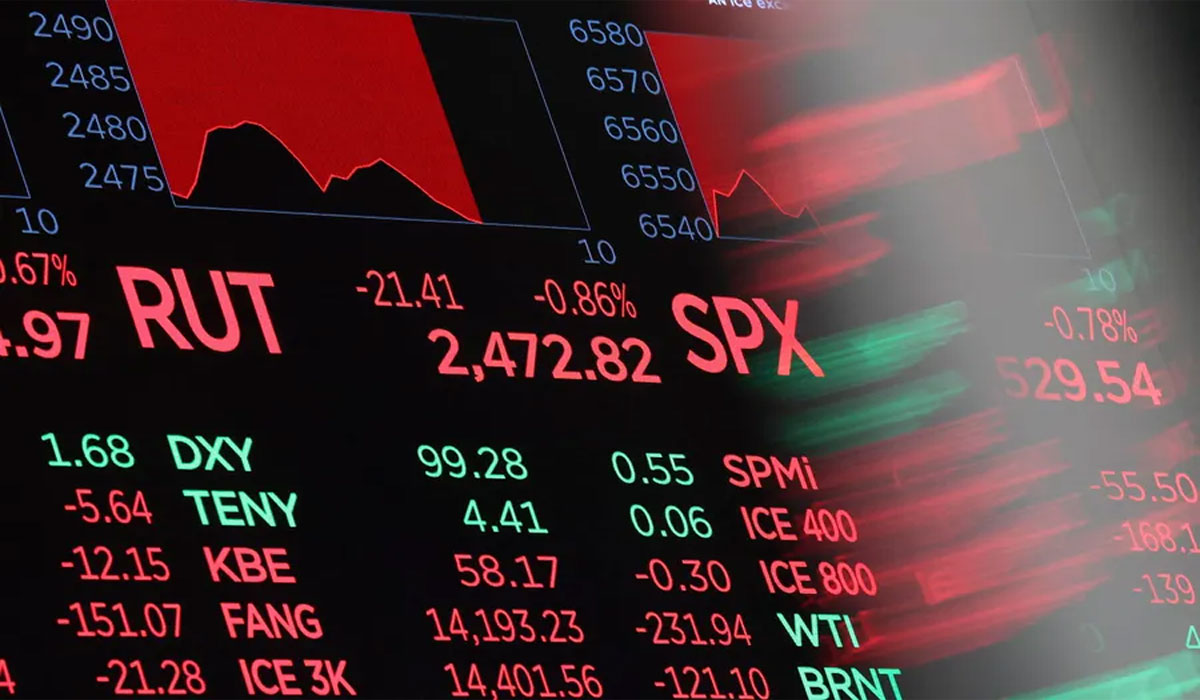
Different sectors in Europe are reacting unevenly to the ongoing crisis. Energy stocks have seen mixed performance, benefiting at times from rising oil prices but also facing volatility due to supply uncertainty.
Meanwhile, travel, tourism, and industrial sectors are experiencing more consistent pressure. These industries are highly sensitive to geopolitical disruptions and economic slowdowns, making them more vulnerable in the current environment.
Technology and consumer discretionary stocks have also faced headwinds, as investors reduce exposure to riskier assets and shift capital toward more defensive sectors such as utilities and healthcare.
Investor Behavior and Market Sentiment Shift
Investor sentiment across Europe has clearly shifted toward caution, with many market participants reducing exposure to equities and increasing allocations to safe-haven assets. This risk-off behavior is typical during periods of heightened geopolitical tension.
Institutional investors, in particular, have been adjusting portfolios to account for increased uncertainty, often increasing cash holdings or moving into government bonds from stable economies.
At the same time, short-term traders are capitalizing on volatility, but overall market participation reflects a more defensive stance as long as geopolitical risks remain unresolved.
Conclusion
European stock markets are currently under significant pressure as the Iran conflict fuels uncertainty and risk aversion among investors. The combination of geopolitical instability, inflation concerns, and sector-specific weakness has created a challenging environment for equities.
Unless tensions ease or clearer economic signals emerge, markets may continue to experience volatility and downward pressure, making risk management and diversification more important than ever for investors navigating this uncertain period.
Image Source:
- First Image from fenixgolf.co.uk
- Second Image from topgolf.co.id



Leave a Reply